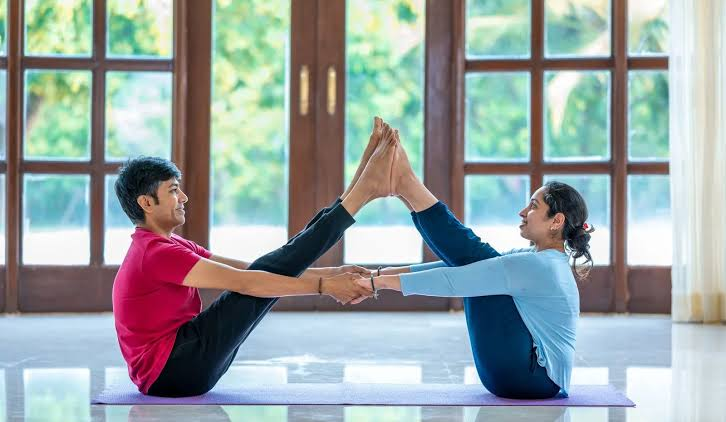
Partner yoga is a style of practice in which two people work together through poses, balance exercises, and coordinated movements. Rather than focusing only on individual progress, partner yoga encourages communication, patience, and awareness of another person’s movements. It can be an enjoyable way to explore yoga365.online while learning how cooperation can influence the experience of movement.
Understanding the Basics of Partner Yoga
Unlike solo yoga, partner yoga involves two people sharing support or coordinating their positions. Some poses require participants to sit back-to-back, hold hands for balance, or gently support one another during a stretch. The difficulty can vary, so beginners should start with simple positions that do not require lifting another person or relying on unstable support.
Clear communication is essential throughout the practice. Partners should discuss their comfort levels, agree on how much support they want, and speak up whenever a position feels uncomfortable. The purpose is not to achieve the most complicated pose but to move together safely and attentively.
How Partner Yoga Builds Trust
Trust develops when both participants listen to one another and respect personal boundaries. In a supported pose, each person needs to communicate clearly instead of assuming that their partner understands what they need.
This process can encourage patience and mutual respect. One participant may need more time to find balance, while the other may need to adjust their position to provide suitable support. Giving one another time to make these adjustments helps create a more comfortable shared experience.
Trust does not mean ignoring discomfort or agreeing to every pose. Each person should feel free to pause, change the movement, or stop whenever necessary.
Developing Coordination Through Shared Movement
Partner yoga also encourages coordination because two people must pay attention to timing, posture, and movement. Even a simple seated twist or a standing balance exercise can require both participants to move gradually and maintain awareness of each other’s position.
Breathing can provide a natural rhythm. Partners may inhale as they lengthen their spines and exhale as they settle into a comfortable position. Moving slowly helps both people notice changes in balance and adjust without sudden movements.
These exercises are less about perfect synchronization and more about responding thoughtfully. Small adjustments often make shared poses easier and more comfortable.
Choosing Beginner-Friendly Partner Poses
Simple poses are a useful starting point for people who are new to practising together. Sitting back-to-back can provide gentle awareness of posture, while a seated partner twist allows both participants to explore comfortable rotation without forcing the movement.
A standing partner stretch can also be suitable when both people have stable footing and enough space. Participants should avoid pulling on each other’s arms or leaning beyond their natural range of motion. Anyone with injuries or balance concerns may benefit from guidance from a qualified yoga instructor.
For more ideas about mindful movement for shared practice, consider how gentle coordination and comfortable positioning can fit into a regular yoga routine.
Creating a Comfortable Shared Practice
A suitable space, comfortable clothing, and an unhurried pace can help make partner yoga more enjoyable. Choose a clear floor area, agree on simple movements, and check in with each other throughout the session.
The experience may feel different each time because comfort, energy, and coordination can change from day to day. Keeping the practice flexible allows both participants to focus on communication, body awareness, and the shared process of movement.